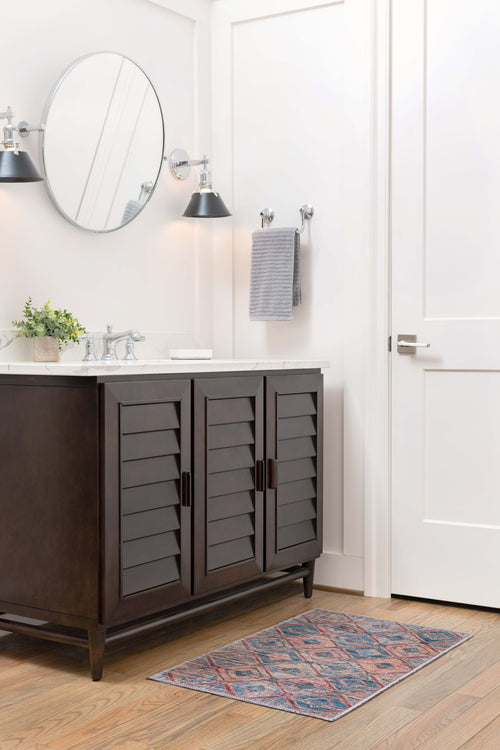
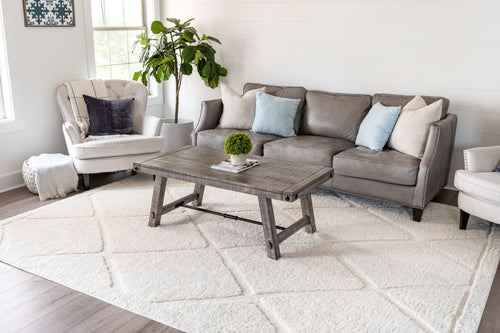

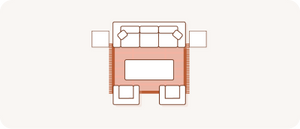




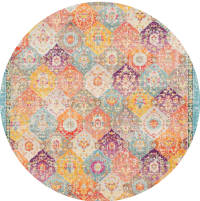
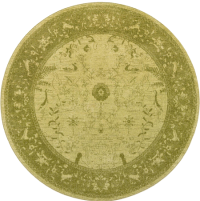
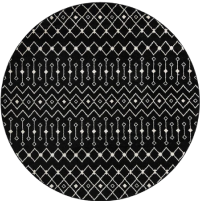
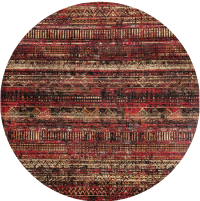

If you want to elevate your home décor without a full renovation, layering 10x12 Area Rugs is a simple yet highly effective technique. These rugs offer a generous size that anchors your furniture while providing a versatile base for creativity. But layering rugs is more than just placing one rug on top of another. Done correctly, it can add depth, texture, and color, transforming any space into a stylish, inviting haven. Whether you're decorating a living room, bedroom, or dining area, knowing how to layer rugs strategically can make all the difference.
Key Takeaways
Layering 10x12 Area Rugs adds depth, texture, and warmth to your home.
Mix patterns and textures to create visual interest without overwhelming the space.
Correct rug placement ensures furniture is anchored and the room feels balanced.
Choose complementary colors and sizes for a cohesive layered look.
Rugs protect floors and can define zones in open-concept spaces.

Why Layering Rugs Works
Creating Visual Interest and Texture
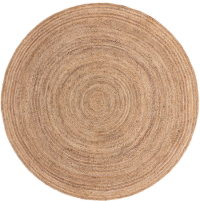
Layering rugs is a design trick that instantly brings character to a room. A large 10x12 Area Rug provides a foundation, while a smaller, patterned rug layered on top adds dimension. Mixing textures such as wool, jute, or soft cotton creates a tactile experience that draws attention without feeling busy.
Defining Zones in Open Spaces
In large or open-plan rooms, layered rugs can help define distinct zones. Place a 10x12 Area Rug under your seating area and layer a smaller rug under a coffee table or reading nook. This technique separates spaces visually, making your home feel organized and intentional.
Choosing the Right Rugs for Layering
Picking Sizes and Shapes
Start with a large 10x12 Area Rug as your base. This size anchors furniture like sofas, chairs, or dining sets. Layer smaller rugs, such as 5x8 or 6x9, to add contrast. Oval or round rugs can break up the straight lines of rectangular furniture and add a dynamic visual element.
Balancing Colors and Patterns
When layering, aim for harmony. A neutral base rug allows for bold, patterned layers without overwhelming the room. Complementary colors ensure cohesion. For example, pair a soft beige 10x12 Area Rug with a vibrant patterned rug in teal or rust tones.
Placement Tips for a Polished Look
Furniture Anchoring
Your base rug should accommodate key furniture pieces. For a living room, the rug should fit under the sofa and front legs of chairs. When layering, make sure the top rug does not disrupt this balance. Keep proportional spacing to avoid a cluttered appearance.
Aligning Patterns and Angles
Experiment with rug orientation. A slight diagonal placement of the top rug can create visual interest and break monotony. Ensure that the layering enhances the overall flow rather than causing awkward overlaps.
Mixing Textures and Materials
Wool, Cotton, and Natural Fibers
Mixing materials gives depth to your layered design. Wool 10x12 Area Rugs provide warmth and durability, while cotton or jute adds casual elegance. Layering a flat-weave jute rug over a plush wool base can achieve a sophisticated, multidimensional look.
Adding Comfort and Functionality
Layering rugs is not only about aesthetics. A soft, smaller rug on top of a larger one can provide comfort underfoot and absorb sound, especially in hard-floor spaces. It’s an easy way to combine style and functionality.
Common Mistakes to Avoid
Overcrowding the Space
Less is often more when it comes to layering rugs. Avoid stacking too many pieces or using clashing patterns. One base rug and one or two smaller rugs are sufficient for a balanced look.
Ignoring Color Harmony
Even with different textures and patterns, the color palette should remain complementary. Avoid overly bright or conflicting shades that distract rather than enhance.
Neglecting Rug Pads
Rug pads are essential to prevent slipping and protect your floors. They also add a layer of cushioning, making your layered rugs both safe and comfortable.
FAQs
1. Can I layer rugs of different shapes?
Yes. Rectangular, round, and oval rugs can be layered to create visual contrast. Just ensure they complement each other in color and scale.
2. How do I clean layered rugs?
Clean the top rug first. Remove and vacuum the base rug separately. Choose materials that are easy to maintain if you plan to layer regularly.
3. Can I layer rugs in a small room?
Absolutely. Use smaller rugs to create depth. Keep patterns subtle and avoid overcrowding to maintain an open feel.
4. Is it necessary to match rug colors exactly?
No. Complementary colors and tones work better than exact matches. Mixing neutrals with vibrant accents often creates a more stylish look.
5. Can I layer rugs in high-traffic areas?
Yes, but choose durable materials like wool for the base rug and ensure the top rug is securely anchored with a rug pad to prevent slipping.
Conclusion
Layering 10x12 Area Rugs is a creative way to bring warmth, texture, and style into any room. By considering size, color, pattern, and placement, you can craft a layered look that feels intentional and inviting. Mixing textures and using complementary colors enhances depth, while proper rug placement anchors your furniture and defines space effectively.
Ready to elevate your home design? Explore 10x12 Area Rugs at AreaRugs.com and find the perfect pieces to start layering with confidence.